
Organic Pest Control: Natural Ways to Protect Your Garden

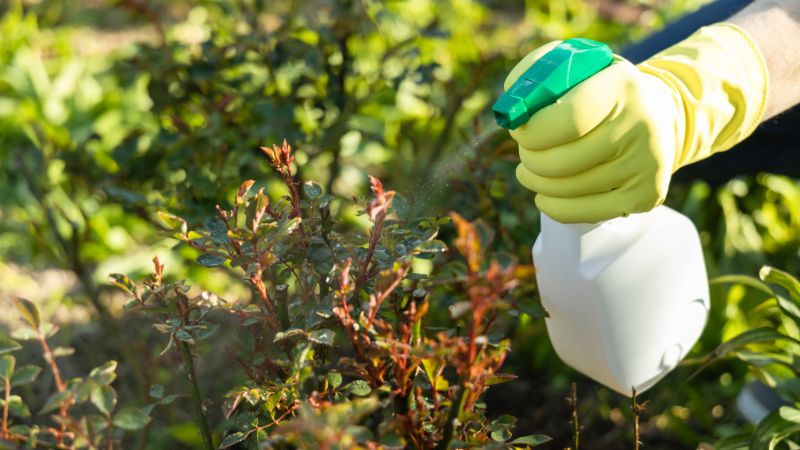
Organic pest control is an eco-friendly approach to managing pests that harm plants without resorting to synthetic chemicals. It prioritizes the health of your garden’s ecosystem, ensuring that beneficial insects, soil organisms, and even the pests themselves are managed in a balanced way. This method promotes sustainability and helps you grow healthy, chemical-free produce.
By using organic pest control techniques, gardeners can protect their plants, enhance biodiversity, and reduce their environmental footprint. From companion planting to homemade sprays, there are countless ways to naturally deter pests while keeping your garden thriving.
Beneficial Insects

Attracting Predators
One of the most effective organic pest control methods is attracting natural predators to your garden. Beneficial insects such as ladybugs, lacewings, and predatory beetles feed on common pests like aphids, whiteflies, and caterpillars.
To encourage these predators, plant a variety of flowers such as marigolds, daisies, and yarrow. These blooms provide nectar and pollen, attracting beneficial insects to your garden. You can also introduce predatory insects directly by purchasing them from garden suppliers.
Parasitic Wasps
Parasitic wasps are tiny but powerful allies in pest control. These wasps lay their eggs inside or on pests such as caterpillars and whiteflies. As the eggs hatch, the larvae feed on the pests, effectively reducing their population.
To attract parasitic wasps, plant herbs like dill, fennel, and cilantro. These plants offer food and shelter for these beneficial insects, keeping them in your garden to combat pests naturally.
Pollinator Support
While pollinators like bees and butterflies aren’t direct predators, they play a critical role in maintaining a healthy garden ecosystem. Healthy plants are more resistant to pests, and pollinators ensure that plants can reproduce effectively.
Avoid using harmful chemicals and grow pollinator-friendly plants such as lavender, sunflowers, and clover. By fostering a pollinator-friendly environment, you indirectly strengthen your garden’s defense against pests.
Companion Planting

Pest-Repelling Plants
Certain plants naturally repel pests, making them excellent companions for your crops. For example, marigolds emit a scent that deters nematodes and aphids, while basil helps keep mosquitoes and whiteflies at bay.
Plant pest-repelling species near vulnerable crops to create a natural barrier. For instance, interplanting garlic or onions with leafy greens can deter pests like cabbage worms and aphids.
Trap Crops
Trap crops are sacrificial plants that lure pests away from your main crops. For example, planting mustard or nasturtiums near tomatoes can attract aphids, keeping them off your valuable plants.
By strategically placing trap crops around your garden, you can minimize pest damage to your primary harvest. Once pests concentrate on the trap crops, they can be removed or managed more easily.
Companion Pairings
Some plant pairings enhance each other’s growth while deterring pests. For example, planting tomatoes with basil not only improves the tomatoes’ flavor but also keeps pests like whiteflies and hornworms away. Similarly, carrots and onions repel each other’s pests, creating a mutually beneficial relationship.
Experiment with companion planting to discover combinations that work best for your garden’s specific needs.
Homemade Organic Sprays

Neem Oil Spray
Neem oil is a powerful natural pesticide derived from the seeds of the neem tree. It works by disrupting the life cycle of pests like aphids, spider mites, and whiteflies, preventing them from feeding or reproducing.
To make a neem oil spray, mix 1-2 tablespoons of neem oil with a gallon of water and a few drops of liquid soap. Spray the mixture on affected plants, ensuring thorough coverage of leaves and stems. Repeat every 7-10 days for best results.
Garlic and Chili Spray
Garlic and chili are natural deterrents for many pests due to their strong odors and spicy properties. A homemade spray made from these ingredients can repel aphids, caterpillars, and beetles.
To create the spray, blend several cloves of garlic and a few chili peppers with water. Strain the mixture and dilute it with additional water before applying it to your plants. Use this spray sparingly to avoid overwhelming your garden with strong scents.
Soap and Water Spray
A simple soap and water solution is effective against soft-bodied pests like aphids and mealybugs. The soap disrupts their cell membranes, causing them to dehydrate and die.
Mix a teaspoon of mild liquid soap with a quart of water and spray it directly on pests. Avoid using soaps with harsh chemicals or fragrances, as they may harm your plants.
Physical Barriers

Row Covers
Row covers are lightweight fabrics that protect plants from pests while allowing sunlight, air, and water to pass through. These covers are especially effective against flying insects like cabbage moths and grasshoppers.
Install row covers over vulnerable crops such as lettuce, broccoli, and squash. Secure the edges to prevent pests from sneaking underneath, and remove the covers when plants begin to flower to allow pollination.
Mulching
Mulching not only conserves soil moisture but also acts as a physical barrier against certain pests. Organic mulches like straw or wood chips deter soil-dwelling insects such as slugs and cutworms.
Apply a thick layer of mulch around your plants, ensuring that it doesn’t touch the stems to prevent rot. Mulch also improves soil health, which strengthens your plants against pest attacks.
Handpicking
For larger pests like caterpillars, slugs, and beetles, handpicking is a simple and effective control method. Inspect your plants regularly and remove pests manually. Drop them into a bucket of soapy water to ensure they don’t return.
Although time-consuming, handpicking allows you to target pests without affecting beneficial insects or plants.
Soil Health and Plant Strength

Healthy Soil Practices
Healthy soil is the foundation of a pest-resistant garden. Enrich your soil with organic matter like compost or manure to improve its fertility and structure. Healthy soil supports strong plant growth, making plants less susceptible to pest damage.
Regularly test your soil’s pH and nutrient levels to ensure it meets your plants’ needs. Avoid over-fertilizing, as excessive nutrients can attract pests.
Crop Rotation
Crop rotation is a traditional farming practice that reduces pest buildup and soil depletion. By rotating crops each season, you disrupt the life cycles of pests that target specific plants.
For example, avoid planting tomatoes in the same spot year after year. Instead, rotate them with legumes, which enrich the soil with nitrogen.
Diverse Plantings
A diverse garden is more resilient to pests than a monoculture. Mix flowers, herbs, and vegetables to create a balanced ecosystem that attracts beneficial insects and confuses pests.
Diversity also reduces the likelihood of widespread pest outbreaks, as different plants support different organisms and create natural checks and balances.
Encouraging Natural Pest Control

Birds and Other Wildlife
Birds are natural predators of many garden pests, including caterpillars, beetles, and slugs. Attract birds by providing nesting boxes, water sources, and plants that produce seeds or berries.
Frogs, toads, and lizards also help control pest populations. Create habitats for these creatures by incorporating rocks, logs, or small ponds into your garden.
Crop Timing
Planting crops at the right time can help you avoid peak pest seasons. For example, planting cool-season crops early can prevent infestations from summer pests like cabbage worms.
Research the pest cycles in your area and plan your planting schedule accordingly to minimize damage.
Intercropping
Intercropping involves planting different crops in the same area to confuse pests and reduce their impact. For example, planting onions with carrots can mask the carrots’ scent, deterring carrot flies.
This method also maximizes space and improves overall garden productivity, making it a practical strategy for organic pest control.


