Will Global Warming Enable Arctic Agriculture?

The conversation around Arctic agriculture global warming has shifted from theoretical to urgent. As temperatures in polar regions rise at a rate far exceeding the global average, scientists and farmers alike are asking whether the frozen north could become the world’s next agricultural frontier. What once seemed impossible — growing food crops in the Arctic — is now a subject of serious research and policy debate.
The implications stretch far beyond food production. They touch on indigenous sovereignty, ecosystem fragility, economic development, and the very meaning of sustainable farming. Understanding what warming Arctic conditions actually mean for agriculture requires looking honestly at both the opportunities and the serious risks that come with them.
Climate Change and Arctic Temperature Shifts
The Arctic is warming two to four times faster than the global average, a phenomenon scientists call Arctic amplification. This dramatic shift is the foundational driver behind every agricultural change discussed in this article.
Warmer air temperatures are altering precipitation patterns, sea ice coverage, and wind systems. These cascading changes are rewriting what is climatically possible across vast stretches of northern land.
Permafrost Thawing and Its Agricultural Implications
Permafrost — ground that remains frozen year-round — underlies roughly 25% of the Northern Hemisphere’s land surface. As it thaws, it fundamentally destabilizes the soil structure that any farming operation would depend on.
Thawing permafrost releases stored carbon and methane, accelerating warming further. It also creates waterlogged, unstable ground that makes mechanized farming extremely difficult and unpredictable.
However, in some areas, thaw exposes previously frozen mineral soils that could, over time, develop agricultural potential. Research on Arctic farming suggests this transition period is complex and highly localized.
Extended Growing Seasons in Polar Regions
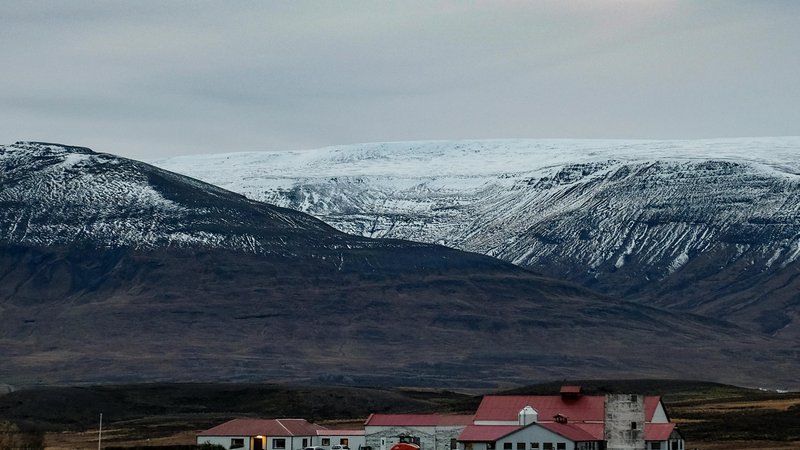
One of the most tangible near-term changes is the lengthening of the frost-free growing season. In parts of Scandinavia, Alaska, and northern Canada, the window for outdoor cultivation has already expanded by several weeks.
Longer days combined with extended warm periods create conditions that some cold-hardy crops can exploit. Grasses, root vegetables, and certain grains are already being trialed at latitudes that would have been unthinkable a generation ago.
This growing season expansion is one of the clearest agricultural signals from warming. Agroecology research confirms that northern crop boundaries are shifting measurably northward.
Soil Health Challenges in Arctic Farming
Arctic soils are generally thin, nutrient-poor, and highly acidic. Unlike temperate agricultural soils built up over millennia of organic decomposition, these soils lack the biological richness crops need to thrive.
Building soil health in these environments requires significant inputs of organic matter over many years. Patience and long-term investment are prerequisites that many commercial operations are unwilling to commit to.
Viable Crop Varieties for Arctic Conditions
Not every crop can adapt to Arctic conditions, even with warming. Short growing seasons, limited light in autumn, and frost risk at both ends of the calendar constrain what is realistically viable.
Cold-tolerant varieties of barley, potatoes, rapeseed, and certain leafy greens show the most promise. Plant breeders are actively developing cultivars specifically engineered for high-latitude conditions.
Indoor and controlled-environment farming is also gaining traction as a complement to outdoor efforts. If you are curious about growing food in challenging conditions closer to home, exploring indoor superfood growing offers useful foundational principles.
Pest and Disease Pressures from Warming
Historically, Arctic cold served as a natural barrier against many agricultural pests and pathogens. As temperatures rise, that barrier is eroding rapidly.
Insects, fungi, and invasive plant species are migrating northward at documented rates. Farmers in newly cultivated Arctic zones may face pest pressures they have little experience managing.
Water Availability and Precipitation Patterns
Warming is increasing total precipitation across much of the Arctic, but the distribution is uneven and often poorly timed for agricultural needs. Flooding in spring and drought stress in summer can occur in the same season.
Glacial melt contributes to short-term water availability in some regions, but this is a finite and declining resource. Long-term water planning for Arctic agriculture must account for the eventual disappearance of these frozen reserves.
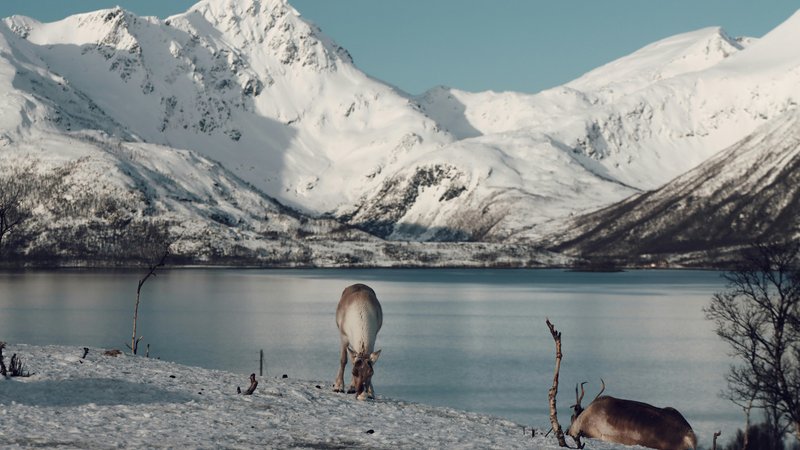
Economic Viability of Arctic Agricultural Operations
The economics of farming in remote Arctic regions are daunting. Transportation costs, infrastructure deficits, and extreme weather events all erode profit margins that might look attractive on paper.
Arctic opportunity assessments note that the potential for agriculture and commercial development in the region is real but comes alongside significant logistical and financial barriers. Subsidies and government support may be necessary to make early operations viable.
Infrastructure Requirements for Arctic Farming
Roads, storage facilities, processing plants, and reliable energy supply are largely absent across most of the Arctic. Building this infrastructure from scratch in permafrost conditions is extraordinarily expensive.
Energy for heating greenhouses or powering irrigation systems in remote locations presents its own challenge. Renewable energy solutions, particularly wind and solar, are being explored as cost-effective alternatives.
Indigenous Land Rights and Traditional Practices
Any discussion of Arctic agricultural expansion must center the rights of indigenous communities who have lived on and managed these lands for thousands of years. Their relationship with the land is not simply cultural — it is legally protected.
International human rights law firmly establishes that demands for recognition of rights over land and natural resources, including ownership, management, and conservation, are at the core of indigenous peoples’ legal protections. Agricultural development that ignores these rights is not only ethically indefensible but legally vulnerable.
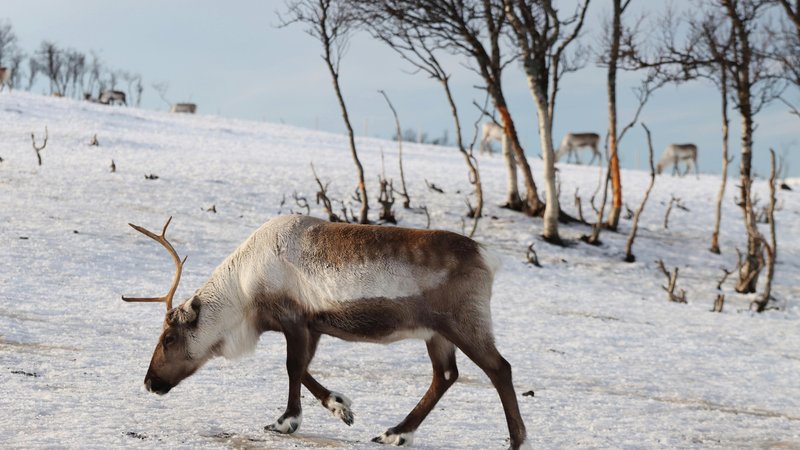
Traditional land-use practices — including hunting, fishing, and herding — represent forms of food production that have sustained Arctic communities sustainably for generations. These practices deserve equal respect alongside any new farming ambitions.
Environmental Sustainability and Biodiversity Concerns
The Arctic is one of the last large wilderness areas on Earth, hosting unique ecosystems that have evolved over millennia. Introducing large-scale agriculture would inevitably alter these ecosystems in ways that are difficult to predict or reverse.
Land clearing, water diversion, and chemical inputs could devastate migratory bird habitats, caribou ranges, and freshwater systems. Biodiversity loss in the Arctic would have global ecological consequences, not just regional ones.
Technological Innovations for Arctic Agriculture
Technology is playing an increasingly important role in making Arctic farming more feasible. From satellite-guided precision agriculture to AI-powered crop monitoring, modern tools are reducing the guesswork in harsh environments.
The integration of data-driven farming approaches is particularly valuable where human expertise and local agricultural knowledge are limited. AI in agriculture is emerging as a powerful tool for optimizing decisions in exactly these kinds of challenging, data-sparse environments.
Labor Availability in Remote Arctic Regions
Finding and retaining skilled agricultural labor in remote Arctic locations is a persistent challenge. Harsh living conditions, limited amenities, and geographic isolation make recruitment difficult.
Automation and robotics may partially offset labor shortages, but they require significant upfront capital investment. The human element remains a critical and often underestimated constraint on Arctic farming ambitions.
Market Demand and Export Potential for Arctic Crops
There is growing consumer interest in Arctic-origin foods, particularly those marketed around purity, low chemical inputs, and unique terroir. Niche markets for Arctic berries, fish, and specialty grains already exist and are expanding.
Export logistics remain a significant hurdle, but improving shipping routes — partly enabled by sea ice loss — are beginning to change the calculus. Commercial viability will depend heavily on whether premium pricing can offset the high cost of production.
The question of whether global warming will truly enable Arctic agriculture does not have a simple yes or no answer. The warming is real, the opportunities are real, and so are the risks — ecological, social, economic, and ethical. What is certain is that any path forward must be built on rigorous science, respect for indigenous rights, and a genuine commitment to environmental stewardship rather than extraction.