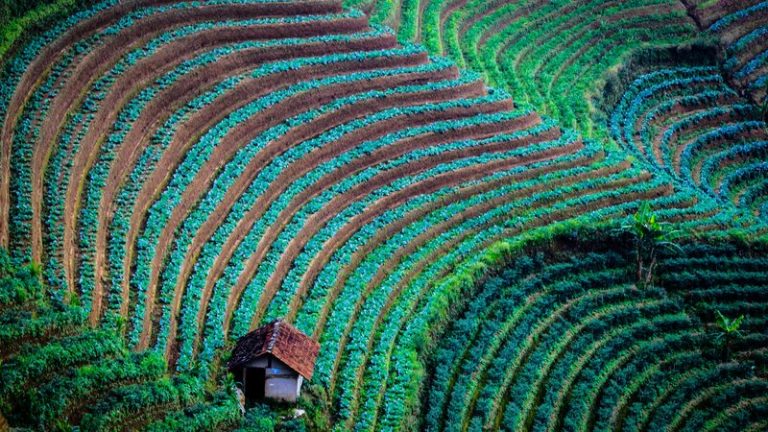
Which Greenhouse Gas Damages Crops the Most?

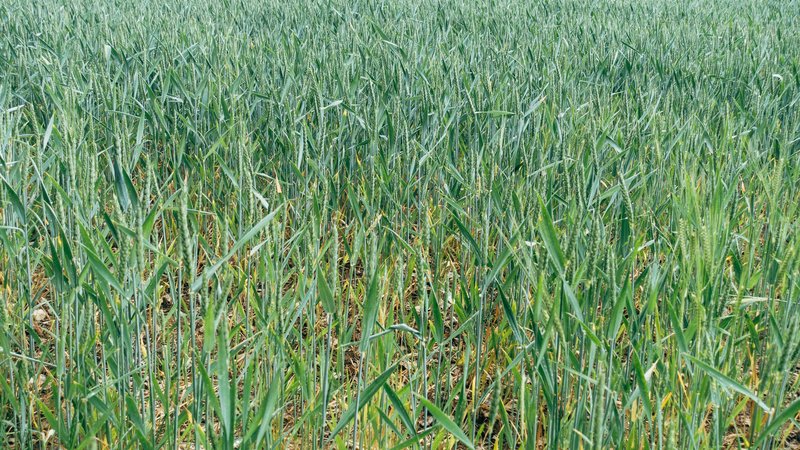
The question of how greenhouse gas damage crops is no longer a distant concern for scientists alone — it sits at the center of modern agricultural planning. Different gases interact with plants, soils, and weather systems in distinct ways, and the cumulative effect threatens both smallholder livelihoods and large-scale food production worldwide. Understanding which gas causes the most harm is the first step toward building a more resilient food system.
Not all greenhouse gases are equal in their destructive potential. Some interfere directly with plant physiology, while others amplify heat stress or degrade soil chemistry over time. Farmers, policymakers, and researchers must weigh these differences carefully to prioritize the right interventions at the right scale.
Understanding Greenhouse Gas Impacts on Agricultural Production
Agriculture sits in a paradoxical position: it is both a significant source of greenhouse gas emissions and one of their primary victims. Agricultural GHG emissions are substantially heterogeneous in space and time due to the large differences in agricultural production activities and socio-economic conditions, making blanket solutions difficult to apply.
Each gas operates through a different mechanism. Some reduce photosynthesis, others raise ambient temperatures, and a few directly poison plant tissue at elevated concentrations.
Ozone as a Primary Crop Damaging Agent
Tropospheric ozone is widely regarded as the most directly damaging greenhouse-related gas to crop yields. It enters leaf stomata and triggers oxidative stress, breaking down chlorophyll and disrupting photosynthesis at the cellular level.
Staple crops like wheat, soybean, and rice are especially sensitive. Ozone crop studies consistently show measurable yield reductions even at moderate atmospheric concentrations.
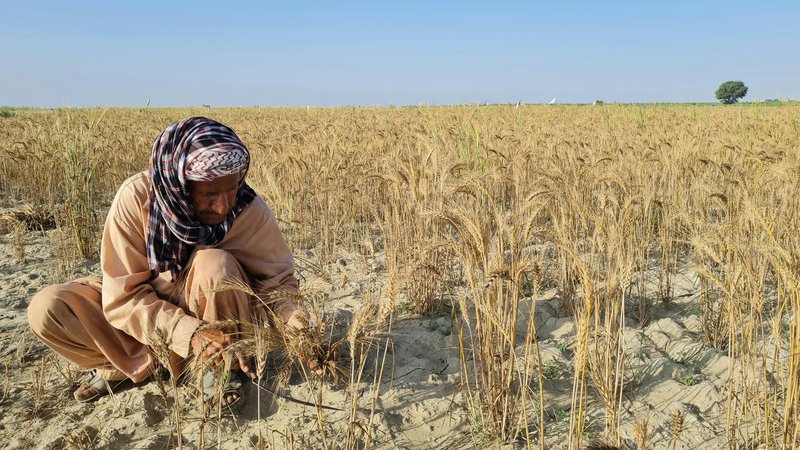
The damage is not always visible to the naked eye, which makes ozone particularly insidious. Farmers may attribute poor harvests to drought or pests without realizing that elevated ozone levels played a significant role.
Methane’s Role in Crop Yield Reduction
Methane does not damage crops directly in the way ozone does. Its primary harm is indirect: methane is a potent driver of tropospheric ozone formation, meaning higher methane concentrations ultimately lead to more ozone-related crop stress.
Rice paddies and livestock operations are among the largest agricultural methane sources. Reducing methane emissions therefore carries a double benefit — lower warming potential and reduced ozone precursor load.
Carbon Dioxide: Fertilization Effects and Climate Complications
Carbon dioxide presents the most complex picture of any greenhouse gas in agriculture. At elevated concentrations, CO₂ can initially stimulate plant growth through the so-called “CO₂ fertilization effect,” particularly in C3 plants like wheat and rice.
However, full-text research on long-term CO₂ exposure reveals that nutritional quality often declines even when biomass increases. Crops grown under elevated CO₂ tend to have lower protein, zinc, and iron content.
The warming effect of CO₂ also accelerates heat stress events, disrupts pollination windows, and shifts precipitation patterns. These indirect consequences frequently outweigh any short-term fertilization benefit.
Nitrous Oxide and Soil-Based Crop Damage
Nitrous oxide (N₂O) is primarily generated through the microbial breakdown of nitrogen fertilizers in agricultural soils. While it does not directly harm plant tissue, it contributes substantially to stratospheric ozone depletion, which increases UV-B radiation reaching crops.
Elevated UV-B radiation damages DNA in plant cells, reduces leaf area, and suppresses germination rates. Plant stress research confirms that UV-B sensitivity varies considerably across crop species and growth stages.
Crop Vulnerability Rankings Across Different Gas Exposures
Not all crops respond equally to the same gas. Legumes tend to be more ozone-sensitive than cereals, while root vegetables may be more insulated from direct atmospheric exposure but remain vulnerable to soil chemistry changes driven by N₂O cycling.
Ozone consistently ranks as the most damaging gas for above-ground crop tissue, while CO₂-driven heat stress poses the greatest systemic threat to entire growing seasons. Understanding these distinctions helps farmers prioritize which risks to address first.
Regional and Geographic Variations in GHG Crop Damage
The severity of greenhouse gas damage to crops varies enormously by geography. South and East Asia, where rice and wheat cultivation is concentrated, face some of the highest ozone exposure levels globally.
Geographic emission patterns show that industrial activity near agricultural zones compounds the problem significantly. Urban ozone plumes frequently drift into surrounding farmland, creating hotspots of crop damage that are difficult to predict season to season.
Sub-Saharan Africa and parts of Latin America face a different profile, where CO₂-driven temperature increases and shifting rainfall are the dominant threats rather than direct ozone exposure.
Climate Change Effects on Global Food Security
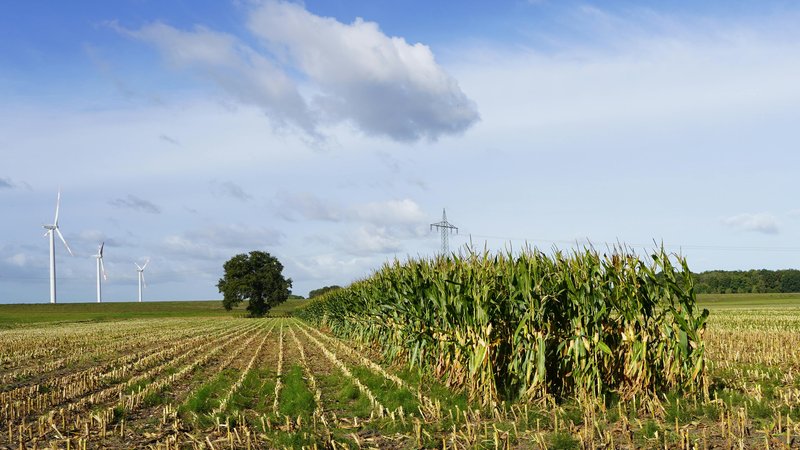
The cumulative effect of multiple greenhouse gases on crop systems creates compounding risks for global food security. Yield losses in staple crops, even modest ones, can translate into significant price volatility and nutritional shortfalls in vulnerable populations.
The intersection of reduced crop quality and reduced crop quantity is particularly alarming. A world with more calories but fewer nutrients per calorie represents a hidden hunger crisis that standard yield statistics often fail to capture.
Short-Term and Long-Term Farmer Adaptation Strategies
In the short term, farmers can adjust planting windows to avoid peak ozone or heat stress periods. Selecting locally adapted varieties and diversifying crop rotations also buffers against single-season shocks driven by atmospheric changes.
Long-term adaptation requires deeper structural shifts. Investing in soil health, water retention infrastructure, and access to climate data gives farmers the tools to respond proactively rather than reactively.
Economic Cost-Benefit Analysis of GHG Mitigation for Farmers
Evaluating the financial case for emission reduction requires rigorous methodology. Agriculture sector guidance from development economists provides a framework for weighing the costs of mitigation against the long-term benefits of protected yields and reduced input dependency.
Farmers who invest in emission-reducing practices often see compounding returns — lower fertilizer costs, improved soil fertility, and more stable yields across variable climate years. The economic argument for mitigation is strongest when viewed over a multi-decade horizon.
Soil Management and Tillage Practices for Emission Reduction
Soil is both a source and a sink of greenhouse gases. Tillage practices that disturb soil structure release stored carbon and nitrogen, accelerating N₂O emissions and reducing the land’s capacity to sequester atmospheric CO₂.
No-till and reduced-till systems preserve soil organic matter and microbial communities. These approaches lower emission intensity per unit of crop produced while simultaneously improving water retention and erosion resistance.
Precision Agriculture Technology for GHG Damage Mitigation
Precision agriculture tools allow farmers to apply inputs — water, fertilizer, pesticides — at exactly the right time and place. This reduces excess nitrogen in soils, directly cutting the microbial activity that generates N₂O emissions.
Sensors, drones, and satellite imagery now make field-level emission monitoring increasingly accessible. AI in agriculture is accelerating the translation of raw data into actionable decisions for individual farms.
Sustainable Farming Practices and Crop Resilience
Sustainable farming integrates ecological principles into production systems, reducing dependence on synthetic inputs that drive emission cycles. Cover cropping, composting, and integrated pest management each contribute to lower overall farm-level emissions.
The advantages of sustainable agriculture extend beyond emissions. Farms that adopt these practices tend to show greater resilience during extreme weather events, which are themselves made more frequent by greenhouse gas accumulation.
Agroforestry Implementation for Reducing Agricultural Emissions
Agroforestry — integrating trees into crop and livestock systems — offers a powerful tool for carbon sequestration at the farm level. Trees absorb CO₂, moderate local temperatures, and reduce wind-driven ozone exposure to adjacent crops.
Shade from tree canopies also reduces soil moisture evaporation, lowering irrigation demand and the energy-related emissions that come with it. Agroforestry systems can sequester significantly more carbon per hectare than conventional monoculture fields.
Interaction Effects Between Multiple Greenhouse Gases on Crops
Crops rarely face a single greenhouse gas stressor in isolation. Elevated CO₂, high ozone, increased UV-B from N₂O-driven stratospheric depletion, and heat stress from methane-amplified warming often occur simultaneously.
These interaction effects are not always additive — sometimes they are synergistic, meaning the combined damage exceeds what each gas would cause independently. Open-access research frameworks have helped accelerate the study of these multi-stressor scenarios in recent years.
Emerging Crop Varieties Bred for GHG Resilience
Plant breeders are developing varieties with enhanced tolerance to ozone, heat, and UV-B radiation. These traits are increasingly incorporated into high-yielding lines through both conventional breeding and genomic selection techniques.
Shared scientific resources have made trait data more accessible to breeding programs in lower-income countries, helping close the gap between frontier research and on-farm application. Ozone-tolerant wheat and soybean lines are among the most actively developed targets in current breeding pipelines.
Policy Effectiveness Comparisons Across Different Countries
National policies targeting agricultural greenhouse gas emissions vary widely in ambition, design, and enforcement. Carbon pricing mechanisms, fertilizer use regulations, and emission trading schemes each carry different incentive structures for farmers.
Countries with strong extension services and farmer education networks tend to see faster uptake of emission-reducing practices. Policy effectiveness is rarely about the rule itself — it depends heavily on how well farmers are supported in implementing change.
Consumer and Market-Driven Solutions to Agricultural Emissions
Consumer demand for low-emission food products is creating new market incentives for farmers to reduce their greenhouse gas footprint. Certification schemes, carbon labeling, and supply chain transparency tools are growing in reach and credibility.
When market signals align with environmental goals, farmers gain a financial reason to adopt better practices without waiting for regulatory mandates. The most durable solutions will likely combine policy frameworks, market incentives, and on-farm innovation into a coherent whole — protecting both crop yields and the climate systems that make agriculture possible.