Precision Agriculture Equipment: 2026 Market Guide

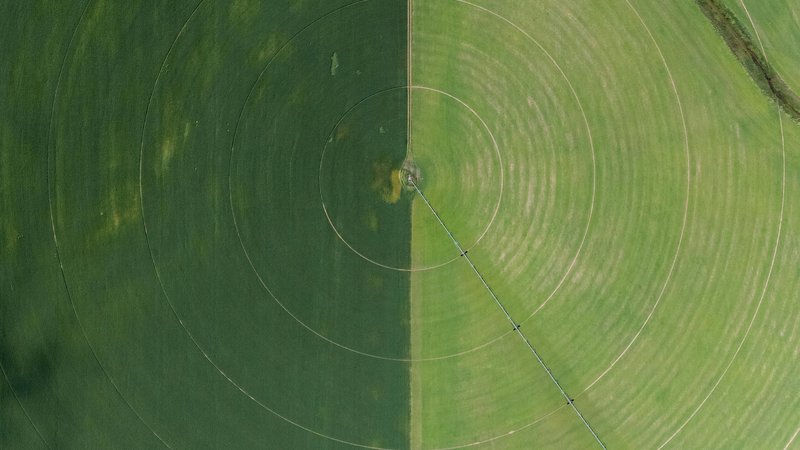
The landscape of modern farming has been fundamentally reshaped by the rise of precision agriculture equipment. From GPS-guided tractors to sensor-driven soil monitors, these tools give farmers the ability to manage every square meter of their land with a level of accuracy that was simply not possible in previous generations. The shift is not just technological—it represents a new philosophy of farming where decisions are driven by data rather than intuition alone.
Understanding which systems are worth investing in, how they work together, and what challenges come with adoption is essential for any operation considering this path. This guide breaks down the full spectrum of precision agriculture technology—covering core components, economic realities, integration hurdles, and emerging opportunities—so you can make informed decisions for your farm.
Understanding Precision Agriculture Technology
Precision agriculture is built on the principle of applying the right input, at the right place, at the right time. It uses a combination of hardware, software, and connectivity to give farmers granular control over their operations.
The technology spans everything from satellite positioning systems to machine learning algorithms that analyze field data. The goal is always the same: reduce waste, increase efficiency, and improve profitability.
Core Components of Modern Precision Systems
A complete precision farming setup typically includes positioning hardware, sensors, application controllers, and data management platforms. Each layer depends on the others to function correctly.
No single component delivers value in isolation. The real power comes from how these systems communicate and respond to one another in real time across the field.
GPS and GNSS Technology in Farming Operations
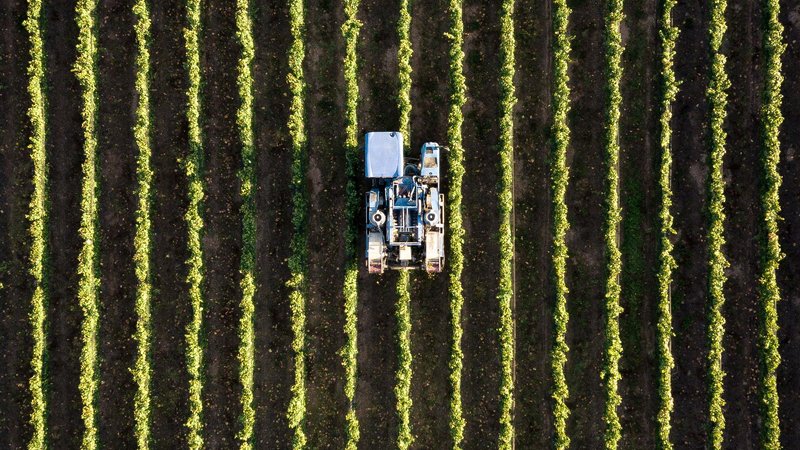
GPS technology is the backbone of nearly every precision agriculture system in use today. It enables accurate positioning that drives everything from auto-steering to field mapping and yield monitoring.
Modern systems often use GNSS—a broader term that includes GPS alongside other satellite constellations like GLONASS and Galileo—to improve accuracy and reliability. Farming with GPS has moved well beyond basic navigation, now supporting centimeter-level precision in many commercial applications.
Guidance and Steering Systems for Equipment Control
Automated guidance systems reduce operator fatigue and dramatically improve pass-to-pass accuracy during planting, spraying, and harvesting. These systems range from simple light-bar indicators to fully autonomous steering controllers.
RTK (Real-Time Kinematic) correction signals can achieve sub-inch accuracy, making them the preferred choice for high-value operations where overlap and skips directly affect yield and input costs.
Variable Rate Application and Input Optimization
Variable rate technology (VRT) allows farmers to apply fertilizers, pesticides, and seeds at different rates across a field based on soil data and prescription maps. This is one of the most impactful capabilities in the precision agriculture toolkit.
Research findings show that variable rate fertilization management leads to a reduction in many—but not necessarily all—environmental impacts. Overall results suggest that precision agriculture delivers economic benefits via cost savings, input savings, and/or increases to yield, margin, or profits, though some studies have reported limited or no economic gains in specific contexts.
It is also worth noting that many precision agriculture technologies focus heavily on nitrogen management, but disproportionately in the context of high-value crops—leaving a gap in adoption and research for commodity grain operations.
Real-Time Data Collection and Field Monitoring
Sensors mounted on equipment or deployed across fields collect data on soil moisture, canopy temperature, crop health, and more. This continuous stream of information allows farmers to respond to problems before they escalate.
Agricultural drones have become a key tool for rapid field scouting, offering aerial imagery that can identify pest pressure, nutrient deficiencies, and irrigation issues across large areas in a single pass.
Autonomous Farming Solutions and Capabilities
Autonomous equipment—from self-driving tractors to robotic weeders—is moving from concept to commercial reality. These machines operate with minimal human input, using a combination of GPS, cameras, and AI to navigate and perform tasks.
Full autonomy is still limited to specific tasks and environments, but the technology is advancing rapidly. AI in agriculture is a driving force behind these capabilities, enabling machines to make real-time decisions that would otherwise require a skilled operator.
Connectivity and Data Management Infrastructure
Reliable connectivity is a prerequisite for most precision agriculture systems to function at their best. Cloud platforms store, process, and visualize the enormous volumes of data generated by modern farm equipment.
Rural broadband gaps remain one of the most significant barriers to adoption, particularly for operations in remote areas where cellular and satellite coverage is inconsistent or unavailable.
Display Systems and Operator Interfaces
In-cab displays serve as the command center for precision agriculture systems, allowing operators to monitor guidance, adjust application rates, and review field data without leaving the seat. Modern terminals are touchscreen-based and often run multiple applications simultaneously.
Usability is a critical factor that is often overlooked during purchasing decisions. A system that is difficult to operate under field conditions will reduce adoption rates and limit the return on investment.
Cost-Benefit Analysis and Return on Investment
The upfront cost of precision agriculture equipment can be substantial, and the payback period varies widely depending on farm size, crop type, and how aggressively the technology is used. Larger operations with high input costs tend to see the fastest returns.
Published research confirms that overall results suggest economic benefits from precision agriculture—but also cautions that some studies report no or limited financial gains, particularly in smaller or lower-margin operations. Conducting a thorough cost-benefit analysis before purchase is essential.
Precision Agriculture for Small and Mid-Sized Operations
Historically, precision agriculture technology was designed for large-scale commodity farms, leaving smaller operations with fewer options. That gap is narrowing as more affordable, modular systems enter the market.
Subscription-based software and retrofittable hardware have made it more accessible for mid-sized farms to adopt at least some level of precision management without a full system overhaul. Starting with a single high-impact technology—like auto-steer or soil sampling—is often the most practical entry point.
Integration Challenges Across Different Manufacturer Systems
One of the most persistent frustrations in precision agriculture is getting equipment and software from different manufacturers to work together seamlessly. Mixed fleets are the norm on most farms, and compatibility is rarely guaranteed.
Integration experts note that different systems and software versions that are not compatible can break the manufacturing process when combining automation, robotics, and other advanced technologies—a challenge that applies directly to precision agriculture deployments as well.
Data Privacy and Ownership in Connected Agriculture
When farm equipment collects and transmits data, questions about who owns that data and how it can be used become critically important. Many farmers are unaware of the data-sharing clauses embedded in equipment and software agreements.
Always review data ownership terms before signing any platform agreement. Advocacy groups and industry coalitions have pushed for clearer farmer-first data policies, but the landscape remains inconsistent across providers.
Training and Skill Development for Equipment Operators
Even the most sophisticated precision agriculture system delivers no value if operators do not know how to use it correctly. Training is frequently underfunded and underestimated in adoption plans.
Manufacturers, dealers, and agricultural extension services all play a role in building operator competency. Investing in structured training programs from the outset reduces costly errors and accelerates the return on equipment investment.
Environmental Sustainability and Regulatory Compliance
Precision agriculture is increasingly cited as a tool for meeting environmental targets, including reductions in fertilizer runoff, greenhouse gas emissions, and pesticide use. Regulatory frameworks in many regions are beginning to recognize and incentivize its adoption.
However, evidence suggests that variable rate application reduces many—but not all—environmental impacts, meaning precision technology should be seen as one part of a broader sustainability strategy rather than a complete solution.
Cybersecurity Considerations for Connected Farm Equipment
As farm equipment becomes more connected, it also becomes more vulnerable to cyber threats. Ransomware attacks on agricultural operations have increased, targeting both data systems and operational controls.
Basic cybersecurity hygiene—strong passwords, regular software updates, and network segmentation—is now a necessary part of farm management. Equipment manufacturers are also beginning to build security protocols directly into their platforms.
Subscription Models Versus One-Time Purchase Options
The shift toward software-as-a-service in precision agriculture means that many features now come with recurring subscription fees rather than a single upfront cost. This changes the long-term financial math significantly.
One-time purchase hardware may appear cheaper initially, but ongoing software subscriptions can accumulate into a significant annual expense. Calculate the total cost of ownership over a five-year horizon when comparing purchasing models.
Precision Agriculture Applications Across Crop Types
Precision agriculture is not a one-size-fits-all solution—its value varies considerably depending on the crop being grown. High-value specialty crops like fruits, vegetables, and wine grapes have historically seen the strongest adoption and the clearest return on investment.
Commodity crops such as corn, soybeans, and wheat also benefit, particularly through variable rate seeding and fertilization. The economics become more compelling as input costs rise and margins tighten across all crop categories.
Emerging Solutions in Developing Markets
Precision agriculture adoption in developing markets has been slower due to infrastructure gaps, limited access to capital, and smaller average farm sizes. However, mobile-first solutions and low-cost sensor networks are beginning to change this dynamic.
Satellite imagery services accessible via smartphone are enabling smallholder farmers to access field-level data that was previously available only to large commercial operations. These accessible entry points could drive significant adoption growth in emerging agricultural economies.
Interoperability Standards and Open-Source Alternatives
The lack of universal interoperability standards has long been a frustration for farmers and agronomists trying to build cohesive precision agriculture systems from multiple vendors. Industry initiatives like ISOBUS and AgGateway have made progress, but full compatibility remains elusive.
Open-source platforms and community-developed tools are gaining traction as alternatives to proprietary ecosystems. Integration best practices consistently highlight that incompatible software versions remain a primary failure point when combining technologies from different vendors—a lesson directly applicable to mixed-manufacturer farm setups.
The path forward for precision agriculture lies in greater openness, standardization, and farmer-centered design. Operations that approach technology adoption strategically—starting with clear objectives, evaluating total cost, and investing in operator training—will consistently outperform those that treat equipment purchases as isolated decisions. The technology continues to evolve, and so does the opportunity to farm smarter.