How to Pull Down Vines with a Tractor

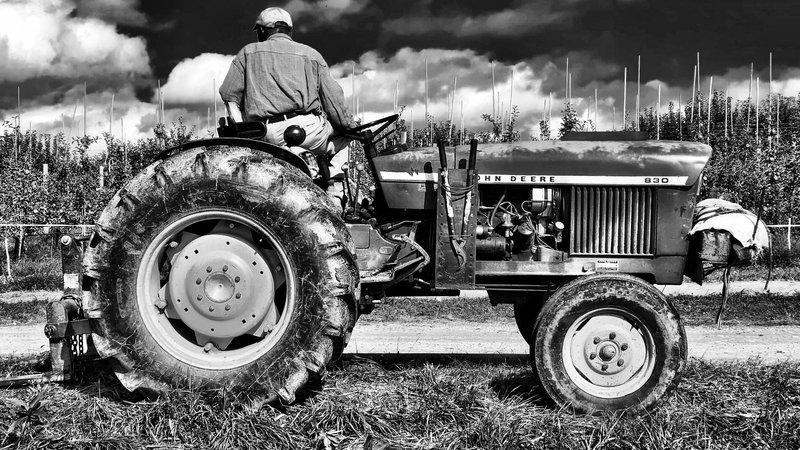
Knowing how to pull down vines with a tractor can save you countless hours of backbreaking manual labor, especially when invasive species have taken over a field, fence line, or wooded area. Whether you’re dealing with wild grapevines, kudzu, or thick woody climbers, a tractor gives you the mechanical leverage needed to uproot even the most stubborn root systems. The key is pairing the right machine with the right technique before you ever engage the throttle.
This guide walks you through every critical stage of the process — from identifying the vine species and choosing the correct tractor horsepower, to executing a safe and thorough removal. You’ll also find practical advice on disposal, regrowth prevention, and protecting any trees or structures in the work zone. Read on to make your next land-clearing project as efficient and damage-free as possible.
Understanding Vine Types and Growth Patterns
Not all vines behave the same way, and understanding what you’re dealing with directly affects your removal strategy. Woody vines like wisteria and wild grape develop thick, lignified stems that can anchor deeply into soil and wrap tightly around tree trunks. Herbaceous vines, by contrast, tend to have shallower root systems and are generally easier to dislodge mechanically.
Invasive species such as kudzu can spread at alarming rates, covering entire acres in a single growing season. Their root crowns can extend several feet underground, meaning surface-level pulling alone won’t guarantee permanent removal. Identifying the species first helps you plan whether one pass with the tractor will suffice or whether repeated treatments are necessary.
Pay close attention to how vines have attached themselves to nearby trees or structures. Vines that have grown into bark or wrapped around trunks for several years may cause collateral damage if pulled too aggressively. A careful pre-assessment walk of the work area is always time well spent.

Selecting the Right Tractor Size and Horsepower
Choosing the correct tractor for vine removal is one of the most important decisions you’ll make before starting the job. Underpowered equipment risks stalling, mechanical strain, and incomplete removal. Overpowered equipment on small plots can cause unnecessary soil disruption and safety hazards.
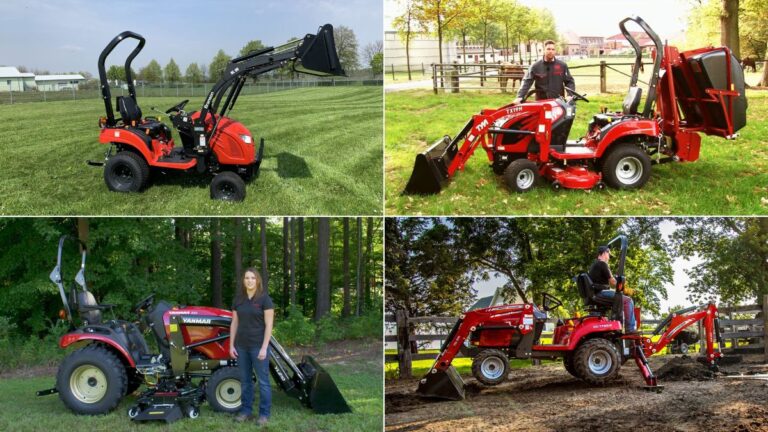
For smaller properties, a compact machine is often sufficient. Small farm guidance suggests that for areas under 5 acres, a 15–25 HP mini tractor handles basic tasks effectively, including light land clearing. If your vine problem spans a larger area with dense, mature growth, stepping up to a 25–50 HP model gives you the torque needed to pull root crowns cleanly from the ground.
Always match your tractor’s horsepower to the density and root depth of the vines you’re removing, not just the acreage involved. A single mature kudzu root crown can require significant sustained pulling force to extract fully. When in doubt, err on the side of more horsepower rather than less.
Essential Equipment for Vine Removal
Beyond the tractor itself, you’ll need a targeted set of attachments and tools to do the job properly. The most commonly used implements include brush rakes, root grapples, and heavy-duty chains or straps rated for pulling loads. Each serves a specific purpose depending on the vine density and terrain.
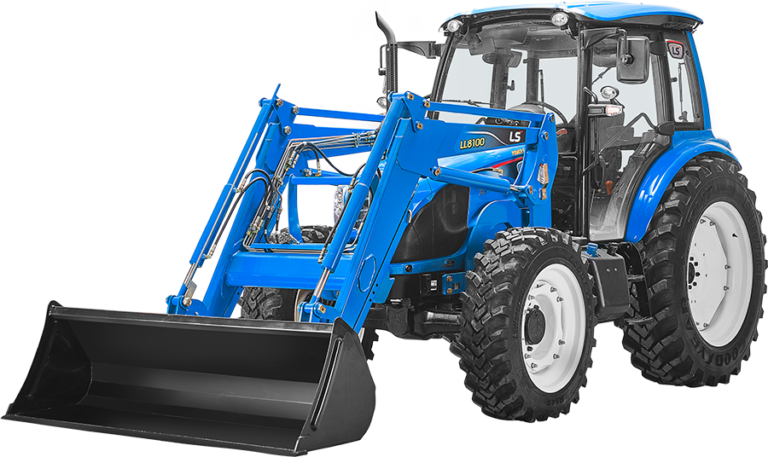
A front-end loader equipped with a root grapple is ideal for grabbing large vine masses and lifting them free of the soil. Heavy-duty tow chains with a minimum working load rating of 5,000 lbs are recommended for pulling thick, established vine systems. Never use standard tie-down straps, as these are not designed for the shock loads generated during vine extraction.
A brush cutter or rotary mower attachment can be invaluable for pre-cutting above-ground growth before you begin pulling. Reducing the vine canopy first makes it far easier to identify anchor points and attach chains safely. It also reduces the risk of the loose vine mass fouling your tractor’s axles or PTO shaft.
Safety Considerations and Risk Mitigation
Vine removal with a tractor carries real risks that must be addressed before you start the engine. Vines can snap back violently when tension releases suddenly, creating a serious whiplash hazard for anyone standing nearby. Always establish a clear safety perimeter of at least 30 feet around any active pulling operation.
Wear appropriate personal protective equipment, including a hard hat, safety glasses, and heavy work gloves at all times. If you’re working near trees, be alert to the possibility of falling limbs dislodged by vine tension. Inspect your chains and attachment points thoroughly before each pull to ensure no links are cracked or corroded.
Never wrap a chain directly around your tractor’s drawbar without a proper clevis hitch attachment. Operating on slopes adds additional complexity — avoid pulling vines uphill on grades steeper than 15 degrees to prevent tractor tip-over risk. Always have a spotter present when working in tight or uneven terrain.
Optimal Timing for Vine Removal
Timing your vine removal correctly can dramatically improve your results and reduce the likelihood of regrowth. Late winter or early spring, just before new growth begins, is widely considered the most effective window. The soil is often softer from winter moisture, making root extraction easier, and the absence of leaves improves visibility.
Pulling vines during active growing season is generally less effective because the plant redirects energy to regrow from remaining root fragments more aggressively. Fall removal, after the first frost, is a secondary option since the plant’s energy stores are lower and regrowth response is reduced. Avoid working in saturated soil conditions, as this can cause excessive ruts and soil compaction.
Pulling Versus Cutting: Comparative Methods
Cutting vines at the base is a faster initial step but rarely solves the problem on its own. The root system remains intact and will typically re-sprout within weeks, especially for vigorous species like kudzu or trumpet vine. Pulling, by contrast, targets the root crown directly and offers a more permanent result when done correctly.
That said, a combined approach is often the most practical. Cut the above-ground growth first to make the work area manageable, then use the tractor to extract the root system. Studies on invasive vine management consistently show that mechanical removal paired with follow-up treatment yields far better long-term control than either method alone.
Chemical herbicide applications can complement mechanical pulling, particularly for deeply rooted species. If you’re interested in understanding how chemical and mechanical methods compare in terms of cost and effectiveness, cost-benefit data on products like Kilo 500 WSG shows clear advantages over relying on either approach in isolation. Integrating both strategies tends to deliver the most durable outcomes.
Step-by-Step Vine Removal Process
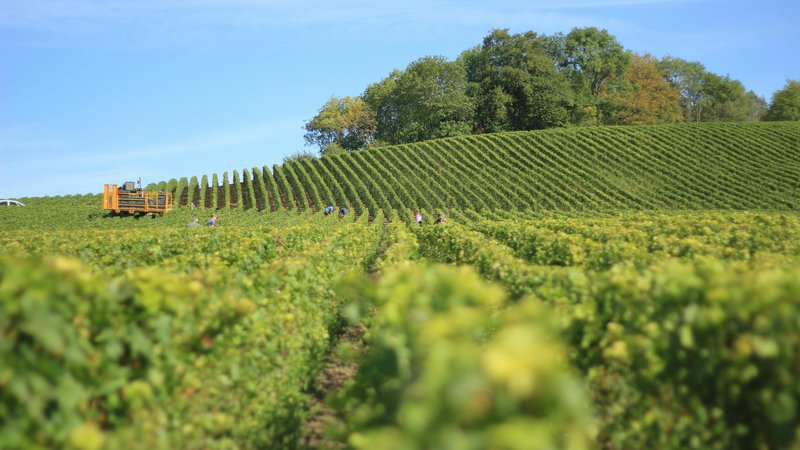
Start by walking the entire work area and marking any obstacles, buried utilities, or trees you want to protect. Use flagging tape to identify the densest root zones and plan your tractor approach angles. A clear plan before you start saves significant time and prevents costly mistakes.
Begin by mowing or cutting the above-ground vine mass as short as possible with a brush cutter attachment. Once the canopy is reduced, locate the main root crown — typically found at the base of the thickest stem cluster. Attach your chain or root grapple securely to this point before applying any pulling force.
Apply steady, progressive pulling force rather than sudden jerking motions to avoid snapping chains or damaging the tractor’s drivetrain. Move slowly forward in low gear, allowing the roots to release gradually from the soil. Once the root crown breaks free, drag the entire mass to a designated collection area before moving to the next section.
Post-Removal Equipment Maintenance
After a vine removal session, your tractor and attachments need immediate attention. Vine fibers, sap, and debris can wrap around axles, PTO shafts, and hydraulic lines if not cleared promptly. Always inspect and clean the undercarriage and all rotating components before storing your equipment.
Check your chains and grapple hooks for stress fractures, bent links, or worn attachment points after every use. Even minor damage can cause catastrophic failure during the next job. Lubricate all pivot points on loader arms and grapple jaws according to your manufacturer’s service schedule.
Disposal and Management of Removed Vines
Disposing of pulled vines properly is just as important as removing them in the first place. Many invasive vine species can re-root from stem segments left on moist soil, meaning an untidy pile left in the field can create a new infestation. Always remove or thoroughly dry pulled vine material before it has a chance to re-establish contact with bare soil.
Burning is one of the most effective disposal methods where local regulations permit it, as it destroys both stem tissue and any viable seeds. Chipping pulled vines into mulch is another practical option, though avoid using chips from invasive species directly in garden beds. Composting is generally not recommended for aggressive invasive vines unless you can guarantee the pile reaches temperatures sufficient to kill root tissue.
For those interested in sustainable land management, exploring zero-waste gardening practices can offer creative ways to repurpose cleared organic material responsibly. Chipped non-invasive vine material, for example, can serve as excellent pathway mulch or erosion control on bare slopes.
Preventing Vine Regrowth After Removal
Mechanical removal alone rarely ends the battle with persistent vine species. Follow-up monitoring and treatment in the weeks and months after initial removal is essential to preventing re-establishment. Schedule return visits to the cleared area at regular intervals to catch any new sprouts before they develop significant root systems.
Applying a targeted herbicide to fresh re-sprouts is far more effective and economical than waiting until the vine has re-established. Ground covers or desirable native plants can also be introduced quickly after clearing to compete with any remaining vine seeds or root fragments. Dense, healthy ground cover is one of the most reliable long-term barriers against vine re-invasion.
Protecting Tree Health During the Process
Trees that have been colonized by vines for several years are often structurally compromised before you even begin removal. Heavy vine loads can cause limb failure, and the sudden release of that weight during pulling can send large branches falling unpredictably. Always assess the structural integrity of any colonized tree before attaching chains or applying tractor force nearby.
Cut vines at the base and allow them to die on the tree naturally before attempting to pull them free, especially on large, mature specimens. This approach reduces the risk of bark stripping and allows you to assess which sections of vine can be safely removed by hand versus by machine. Giving the tree time to recover between intervention stages also reduces overall stress on the root system.
Cost-Benefit Analysis of Removal Methods
Understanding the full cost picture helps you make smarter decisions about how to approach vine removal at scale. Mechanical tractor-based removal has higher upfront equipment costs but delivers faster results over large areas compared to purely manual methods. When spread across repeated seasons of labor-intensive hand clearing, the tractor approach often proves significantly more economical.
Chemical control analysis confirms that integrated approaches combining mechanical and chemical treatment offer measurable advantages over single-method strategies in both cost and effectiveness. Factoring in the value of reclaimed land, reduced labor hours, and long-term regrowth prevention makes the case for investing in proper equipment and a multi-pronged plan even stronger.
Ultimately, the most cost-effective vine removal program is one that combines the right tractor horsepower, appropriate attachments, well-timed intervention, and a consistent follow-up regimen. Cutting corners at any stage typically multiplies costs down the line through re-treatment, equipment repairs, or lost productive land. Investing in a thorough, well-planned approach from the start pays dividends for years to come.