Cotton Growing: Complete Guide to Cultivation

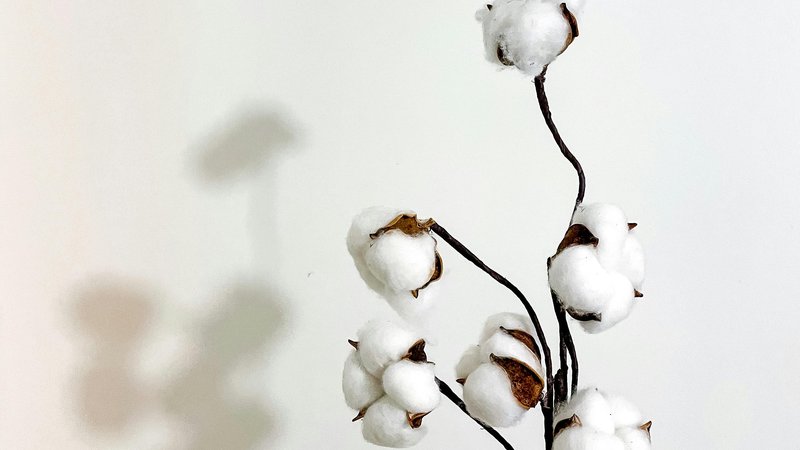
Cotton growing is one of the oldest and most economically significant agricultural practices in the world, supporting millions of farmers, textile workers, and supply chains across every continent. From the warm fields of the American South to the vast plains of India and Central Asia, cotton has shaped civilizations, economies, and everyday life for thousands of years. Understanding the full scope of what it takes to cultivate this remarkable fiber crop—from soil preparation to post-harvest processing—can make the difference between a struggling operation and a thriving one.
Whether you are a commercial producer managing thousands of acres or a backyard enthusiast curious about growing a few plants for educational purposes, the principles of successful cotton cultivation remain largely the same. Choosing the right crops for your specific climate and region is always the essential first step. This guide walks through every critical stage of the process, giving you the knowledge to grow cotton with confidence and purpose.
Understanding Cotton Plant Development and Growth Stages
Cotton goes through several distinct growth stages, each requiring specific conditions and management attention. These stages include germination, seedling emergence, squaring, flowering, boll development, and finally boll opening.
The entire cycle from planting to harvest typically spans 150 to 180 days, depending on the variety and local climate. Monitoring each stage closely allows growers to intervene early when problems arise.
Selecting the Right Cotton Varieties for Your Region
Choosing the correct variety is one of the most impactful decisions a cotton farmer makes. Varieties differ in fiber length, yield potential, pest resistance, and heat or drought tolerance.
The Cotton Board provides resources to help growers identify regionally adapted varieties. Matching a variety to your local growing season length and soil type dramatically improves your chances of a successful harvest.
Soil Preparation and Optimal Growing Conditions
Cotton thrives in well-drained, loamy soils with a pH between 5.8 and 8.0. Heavy clay soils that retain excess moisture can lead to root rot and poor stand establishment.
Deep tillage before planting helps break up compacted layers and improves root penetration. Incorporating organic matter into the soil also boosts water retention and nutrient availability throughout the growing season.
Planting Techniques and Spacing Requirements
Cotton seeds should be planted when soil temperatures consistently reach at least 65°F (18°C) at a four-inch depth. Planting into cold soils delays germination and invites seedling disease.
Row spacing typically ranges from 30 to 40 inches for conventional equipment, though narrow-row systems at 15 to 20 inches are gaining popularity for yield advantages. Learn how cotton grows from seed to fiber in detailed step-by-step breakdowns provided by industry resources.
Water Management and Irrigation Efficiency
Cotton requires approximately 20 to 25 inches of water throughout its growing season, with peak demand occurring during flowering and boll fill. Deficit irrigation during non-critical periods can conserve water without significantly reducing yield.
Drip irrigation systems deliver water directly to the root zone, reducing evaporation and surface runoff. Efficient water management is increasingly critical as freshwater availability becomes more constrained in many cotton-producing regions.
Climate Considerations and Weather Impacts
Cotton is a warm-season crop that performs best in regions with long, hot summers and low humidity during the harvest period. Excessive rainfall during boll opening can cause fiber quality degradation and increase disease pressure.
Unexpected frost events are particularly damaging, as cotton has no frost tolerance whatsoever. Understanding your local frost dates and selecting a variety with an appropriate maturity window are non-negotiable planning steps.
Integrated Pest Management Strategies
Cotton faces pressure from a wide range of insects, including bollworms, thrips, aphids, and spider mites. An integrated pest management (IPM) approach combines biological controls, cultural practices, and targeted chemical applications to minimize crop damage.
Scouting fields regularly—at least once per week during peak pest seasons—is the foundation of any effective IPM program. Early detection allows for timely intervention before pest populations reach economically damaging thresholds.
Disease Control and Prevention Methods
Common cotton diseases include Fusarium wilt, Verticillium wilt, boll rot, and seedling damping-off. Most of these are soil-borne pathogens that persist for many years, making prevention far more effective than treatment.
Using certified disease-free seed and resistant varieties is the first line of defense. Crop rotation with non-host plants also helps reduce pathogen loads in the soil over time.
Cotton Boll Formation and Fiber Development
After successful pollination, cotton bolls begin to develop and mature over approximately 45 to 65 days. The fiber, known as lint, grows from the outer layer of the seed and elongates rapidly in the first two weeks after pollination.
During the secondary wall thickening phase, cellulose is deposited inside the fiber, giving it strength and maturity. Proper nutrition—especially potassium—during this phase is critical for producing high-quality, strong fiber.
Harvesting Methods and Equipment Selection
Cotton is harvested using either spindle pickers or stripper harvesters, depending on the variety and regional practices. Spindle pickers selectively remove open bolls and are preferred where fiber quality is the top priority.
Defoliation—the chemical removal of leaves before harvest—is standard practice in mechanized systems to improve harvesting efficiency and reduce trash content in the picked cotton. Timing defoliation correctly relative to boll maturity is essential for protecting fiber quality.
Organic Cotton Growing and Certification Requirements
Organic cotton production prohibits synthetic pesticides, herbicides, and fertilizers, relying instead on natural inputs and biological systems. The market for organic cotton continues to grow as consumers increasingly demand transparency in textile supply chains.
Certification is a rigorous process. Organic standards require that farmland must be free of prohibited substances for at least three years before the cotton is harvested, and the certification bans the use of genetic engineering, sewage sludge, and ionizing radiation. Planning well in advance of your target certification date is absolutely essential.
Regenerative Agriculture Practices for Cotton Farming
Regenerative agriculture goes beyond sustainability by actively rebuilding soil health, increasing biodiversity, and sequestering carbon. For cotton farmers, this means integrating cover crops, reducing tillage, and building robust soil biology.
Cover cropping between cotton seasons protects bare soil from erosion and adds organic matter. Commercial agriculture’s impact on soil health is a growing concern, and regenerative practices offer a credible path toward long-term farm resilience.
Genetic Modification and GMO Cotton Varieties
The majority of cotton grown commercially in the United States and many other countries is genetically modified. Bt cotton, engineered to produce its own insecticidal proteins, has significantly reduced the need for broad-spectrum insecticide applications in many regions.
Herbicide-tolerant varieties have also transformed weed management practices, though they have contributed to the rise of resistant weed populations over time. Growers must weigh the agronomic benefits of GMO varieties against their regulatory, market, and ecological implications.
Crop Rotation and Companion Planting Strategies
Rotating cotton with grain crops like corn, sorghum, or soybeans helps break pest and disease cycles while improving soil structure. A well-planned rotation can reduce input costs and improve long-term soil fertility.
Companion planting is less common in large-scale cotton production but holds promise in smaller or organic systems. Planting insectary strips of flowering plants near cotton fields can attract beneficial insects that suppress pest populations naturally.
Post-Harvest Processing and Cotton Ginning
After harvest, seed cotton must be ginned to separate the lint fiber from the seed and plant debris. The ginning process has a direct impact on fiber quality, and improper handling at this stage can permanently damage the lint.
Moisture content at ginning is especially critical—cotton ginned at moisture levels above 12% risks fiber damage and reduced grade. Producers should work closely with their gin to ensure optimal drying and cleaning before the fiber is baled.
Economic Analysis and Farm Profitability
Cotton profitability depends on a complex interplay of yield, fiber quality, input costs, and market prices. Production costs vary widely by region, irrigation system, and the level of mechanization employed.
Understanding the break-even price for your operation and monitoring futures markets are essential financial habits for any cotton producer. Government support programs and crop insurance also play a meaningful role in stabilizing farm income during volatile price periods.
Climate Change Impacts on Cotton Production
The cotton industry faces serious long-term threats from a shifting global climate. Climate projections indicate that a rise in temperatures, drought, limited freshwater, and unpredictable rain patterns across current cotton growing regions around the world are expected to alter cotton productivity, affecting both local economies and global supply chains.
Adaptation strategies include shifting planting windows, adopting drought-tolerant varieties, and investing in precision irrigation technology. Proactive planning now is far less costly than reactive responses to climate-driven crop failures later.
Sustainable and Ethical Cotton Sourcing Practices
Consumer awareness of supply chain ethics has pushed brands and retailers to demand greater accountability from cotton producers. Certifications such as Fair Trade, Better Cotton, and GOTS (Global Organic Textile Standard) provide frameworks for verifying responsible practices.
Industry advocates and nonprofit organizations are working to connect ethical producers directly with conscious buyers. Participating in verified sustainability programs can open premium markets and strengthen long-term business relationships.
Cotton Fiber Quality Factors and Grading Standards
Cotton fiber is graded on several key attributes, including micronaire (fineness), staple length, strength, uniformity, and color. These measurements are made using High Volume Instrument (HVI) testing systems at USDA-certified classing offices.
Longer, stronger, and finer fibers command premium prices in the textile market, as they produce smoother, more durable fabrics. Agronomic decisions made throughout the season—from variety selection to irrigation timing—all influence the final fiber quality profile.
Home and Backyard Cotton Growing for Non-Commercial Purposes
Growing cotton at home is an accessible and rewarding project that connects people to the origins of one of the world’s most important natural fibers. A single plant grown in a container or small garden bed can produce several bolls and provide a tangible educational experience.
Heirloom seed suppliers offer a variety of non-GMO cotton seeds suitable for home gardeners in warm climates. Good plant care fundamentals—consistent watering, full sun exposure, and well-drained soil—apply just as much to a backyard cotton plant as they do to a commercial field.
Whether your goals are commercial or purely personal, cotton is a crop that rewards careful attention and informed decision-making at every stage. The knowledge you invest in understanding its needs—from germination through ginning—pays dividends in both yield and quality. With the right preparation and a commitment to continuous learning, cotton growing can be a deeply fulfilling and economically viable pursuit for farmers and enthusiasts alike.