Can Cows Eat Watermelon? Safety & Benefits

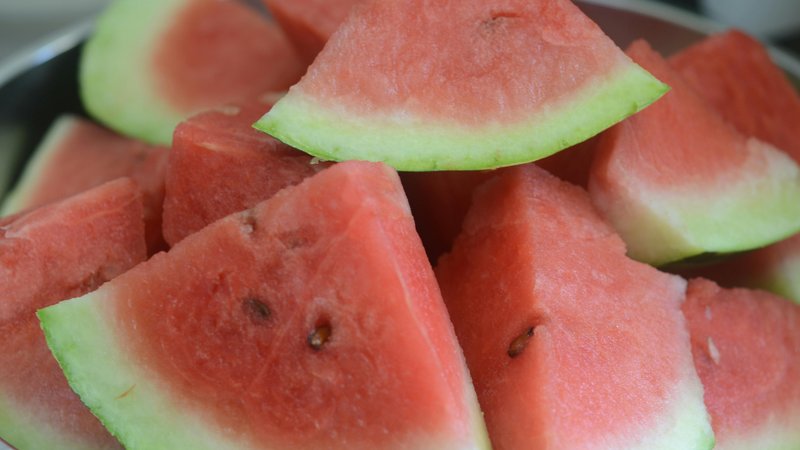
Many farmers and homesteaders have wondered whether can cows eat watermelon, and the straightforward answer is yes — with some important considerations in mind. Watermelon is a naturally sweet, moisture-rich fruit that cattle tend to find highly palatable, making it an appealing occasional treat on the farm. Understanding the right way to offer it, however, is key to keeping your herd healthy and happy. For a deeper look at both the advantages and potential downsides, you can explore this detailed guide on watermelon for livestock.
Cattle are naturally curious eaters, and introducing variety into their diet can support both physical health and behavioral enrichment. Watermelon, when offered responsibly, fits well within a balanced feeding program that prioritizes forage and grain as the dietary foundation. The sections below break down everything you need to know — from nutritional value and portion control to storage tips and veterinary guidance — so you can make an informed decision for your operation.
Watermelon Safety for Cattle
Watermelon is considered safe for cattle when offered in appropriate amounts. It contains no compounds that are inherently toxic to bovines, making it one of the more straightforward fruit treats you can provide.
The primary safety concern is overfeeding. Too much sugar from any fruit source can disrupt the delicate microbial balance in a cow’s rumen, potentially leading to digestive upset.
Always introduce watermelon gradually before making it a regular part of the feeding routine. Sudden dietary changes are a common cause of bloat and loose stools in cattle.
Remove any visibly moldy or rotting pieces before feeding. Spoiled fruit carries mycotoxins and harmful bacteria that can seriously compromise bovine health.
Nutritional Profile and Hydration Benefits
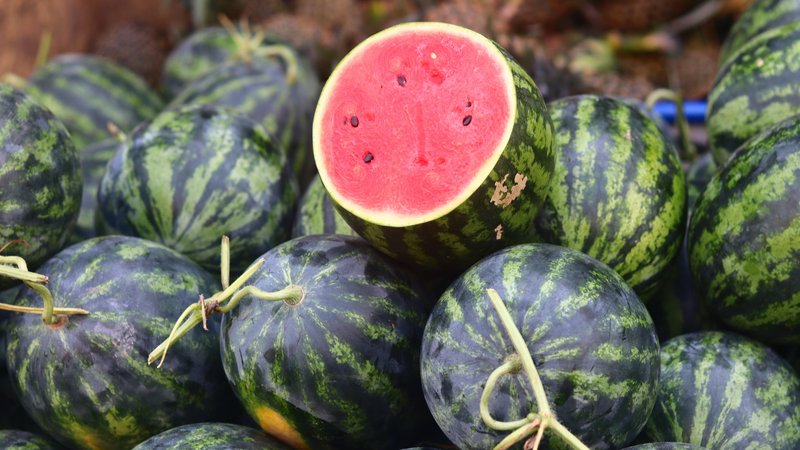
Watermelon is composed of roughly 92% water, making it an excellent supplemental hydration source during hot seasons. This high moisture content can help maintain fluid balance in cattle that may not be drinking enough from troughs.
The fruit also provides natural sugars, vitamin C, vitamin A precursors, and small amounts of potassium. These micronutrients can complement a standard forage-based diet without creating nutritional imbalances when fed moderately.
It is worth noting that nutrition label data can vary significantly between food products, and the same principle applies to produce varieties. The exact nutrient content of watermelon can differ depending on ripeness, variety, and growing conditions.
Lycopene, the antioxidant responsible for watermelon’s red color, may also offer mild anti-inflammatory benefits for livestock. While research in cattle is limited, its general antioxidant properties are well recognized.
Feeding Guidelines and Portion Control
Treats of any kind, including watermelon, should never exceed 10% of a cow’s total daily feed intake. The bulk of every cow’s diet must remain high-quality forage, hay, and appropriate grain concentrates.
For an average adult cow weighing around 1,200 to 1,500 pounds, a few large slices per feeding session is a reasonable portion. Avoid turning watermelon into a daily staple rather than an occasional supplement.
Cut the fruit into manageable pieces to reduce any choking risk, especially for younger or smaller animals. Whole melons can be placed in the pasture for cattle to break open themselves, which also provides mild enrichment activity.
Always monitor the herd after introducing any new food. Watch for signs of bloating, diarrhea, or unusual lethargy, and discontinue feeding if any adverse reactions appear.
Watermelon Rinds and Seeds for Livestock
The rind is actually one of the most nutritious parts of the watermelon for cattle. It contains fiber, citrulline, and trace minerals that can support healthy digestion and circulation.
Rinds are safe and often preferred by cattle over the sweet flesh, as the flavor is less intense and the texture is more familiar to their typical diet. Many farmers who grow their own melons feed the rinds as a zero-waste byproduct.
Watermelon seeds are also safe for cattle to consume. Unlike some animals, cattle have a robust digestive system capable of processing seeds without issue.
If you are interested in reducing farm waste while benefiting your herd, pairing watermelon rind feeding with broader zero-waste gardening practices is a smart and sustainable approach.
Spoilage, Fermentation, and Digestive Concerns
Fermented or overripe watermelon poses a genuine risk to cattle digestive health. The natural sugars in the fruit ferment quickly in warm conditions, producing alcohol and organic acids that can disrupt rumen function.
Never feed watermelon that smells sour, looks slimy, or has visible mold growth. Even small amounts of fermented fruit can trigger acidosis in sensitive animals.
In hot climates, cut watermelon left in the pasture for more than a few hours can begin fermenting rapidly. Remove uneaten portions promptly to prevent accidental ingestion of spoiled fruit.
Cattle with pre-existing digestive conditions or those recovering from illness should not receive watermelon until cleared by a veterinarian. Their rumen may be too compromised to handle the additional sugar load.
Watermelon as a Sustainable Farm Practice
Farms that grow watermelons commercially or for personal use often end up with surplus, misshapen, or unsellable fruit. Feeding these to cattle is an excellent way to minimize agricultural waste while providing a nutritious treat.
This practice aligns with circular farming principles, where byproducts and surplus from one part of the operation support another. It reduces disposal costs and the environmental footprint of the farm simultaneously.
Partnering with local produce markets or grocery stores to collect unsold watermelons is another option some livestock farmers explore. Always verify the source and confirm no pesticide residues exceed safe thresholds before feeding commercially grown produce to your herd.
Comparing Watermelon to Other Livestock Treats
Compared to other common livestock treats like apples, carrots, or pumpkins, watermelon has a higher water content and lower caloric density. This makes it a lighter option that is less likely to contribute to obesity when fed in moderation.
Apples and pears carry a mild risk of choking if fed whole, whereas watermelon’s soft flesh breaks apart easily. This makes watermelon a particularly accessible treat for older cattle or those with dental wear.
Root vegetables like turnips and beets provide more concentrated energy and are better suited as cold-season supplements. Watermelon, by contrast, shines as a warm-weather hydration booster rather than an energy source.
As noted by livestock experts, different animals have distinct dietary needs and preferences. What works as a beneficial treat for cattle may not be appropriate for goats, horses, or other farm animals without separate evaluation.
Impact on Milk Production and Meat Quality
There is no strong evidence that moderate watermelon consumption negatively affects milk production in dairy cattle. In fact, the added hydration may support consistent milk output during periods of heat stress.
For beef cattle, the occasional watermelon treat is unlikely to have any measurable impact on meat quality or marbling. The fruit’s contribution to total caloric intake is simply too small to shift body composition.
Hydration is directly linked to feed efficiency, and any practice that encourages adequate water intake — including moisture-rich treats — can indirectly support both milk and meat production outcomes.
Seasonal Availability and Storage Strategies
Watermelon is naturally most abundant during the warmer growing months, which conveniently aligns with when cattle are most in need of supplemental hydration. Timing the treat to coincide with peak summer heat makes both practical and nutritional sense.
Whole, uncut watermelons can be stored at room temperature for up to two to three weeks without significant quality loss. Once cut, they should be refrigerated and used within a few days to prevent fermentation.
Some farmers freeze watermelon chunks during the harvest season to extend availability. Frozen pieces should be thawed before feeding to avoid potential cold shock to the digestive system, particularly in younger calves.
Veterinary and Agricultural Extension Recommendations
Most veterinarians and agricultural extension services agree that watermelon is a safe, low-risk treat for cattle when offered sensibly. Their general guidance mirrors the principles outlined throughout this article: moderation, freshness, and gradual introduction.
If you manage a large commercial herd, consult with a livestock nutritionist before making any fruit-based treat a regular part of the feeding program. Individual herd health profiles, production goals, and existing ration compositions all influence what is appropriate.
Small-scale and homestead farmers can typically incorporate watermelon treats with less complexity, provided basic safety guidelines are followed. When in doubt, always seek professional veterinary advice tailored to your specific animals and operation.
Watermelon is ultimately one of the more farmer-friendly treats you can offer your herd — affordable, widely available, and genuinely enjoyed by cattle. Keeping the focus on quality forage as the dietary foundation while using watermelon as an enriching seasonal supplement is the most balanced and responsible approach any livestock keeper can take.