Types of Geese: Species, Breeds & Identification

Whether you’re a backyard farmer, a birdwatcher, or simply curious about waterfowl, understanding the many types of geese can be both fascinating and practically useful. Geese are remarkably diverse animals, ranging from wild migratory species that travel thousands of miles each year to calm domestic breeds raised on farms around the world. Knowing how to tell them apart — by size, behavior, origin, and purpose — helps you make smarter decisions, whether you’re raising them for eggs, meat, or companionship.
This guide covers everything from wild North American species to heritage domestic breeds, offering a comprehensive look at how geese are classified, what makes each type unique, and how to choose the right one for your situation. If you’re also exploring other farm animals for your property, understanding goose breeds is an excellent place to start building a well-rounded homestead.
Understanding Goose Classification: Species and Breeds
Geese are broadly divided into two major categories: wild species and domesticated breeds. These categories are further organized by taxonomy, geographic origin, and physical characteristics.
Within domesticated geese, classification often follows weight-based groupings — heavy, medium, and light — which align closely with the breed’s primary purpose. Understanding this classification system is the foundation for identifying any goose you encounter.
Wild Geese vs. Domestic Geese: Key Differences
Wild geese are migratory, instinct-driven birds shaped entirely by natural selection. Domestic geese, by contrast, have been selectively bred over centuries to emphasize traits like size, temperament, and productivity.
Wild geese retain strong flight capabilities and seasonal behaviors, while most domestic breeds have lost the ability or instinct to fly long distances. Domestic geese also tend to be significantly heavier than their wild counterparts.
Behaviorally, wild geese are alert and wary, while domestic breeds vary widely — some are docile and friendly, others are notoriously territorial. This behavioral range makes breed selection an important decision for any farmer or hobbyist.
Heavy, Medium, and Light Breed Categories
Domestic geese are typically sorted into three weight classes that reflect their primary use. Heavy breeds like the Toulouse and Embden are prized for meat production, often reaching weights of 20 pounds or more.
Medium breeds such as the Pilgrim and American Buff offer a balanced profile, suitable for both egg laying and meat. Light breeds, including the Chinese and Roman Tufted, are the most active and vocal, often used as guard animals or for weed control.
Choosing the right weight class depends entirely on your goals. A small hobby farm focused on eggs will have very different needs than a commercial operation targeting meat yield.
Greylag and Chinese Geese: Ancestry of Domestic Breeds
Nearly all domestic goose breeds trace their ancestry to one of two wild species: the Greylag Goose (Anser anser) or the Swan Goose (Anser cygnoides), the latter being the ancestor of Chinese and African geese.
The Greylag Goose is the primary ancestor of most European domestic breeds, including the Toulouse, Embden, and Pilgrim. It is one of the largest wild geese native to Europe and Asia.
Chinese Geese, descended from the Swan Goose, are easily recognized by the distinctive knob at the base of their bill. They are among the most prolific egg layers in the domestic goose world.
North American Native Goose Species
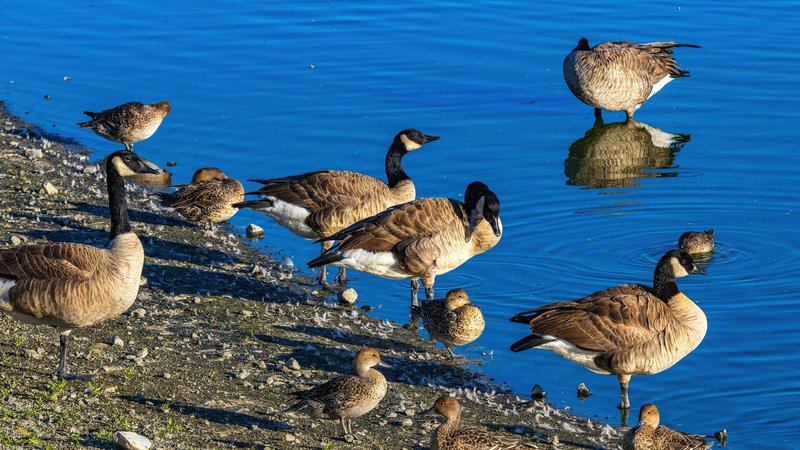
North America is home to several iconic wild goose species, the most recognized being the Canada Goose (Branta canadensis). It is one of the most widely distributed waterfowl species on the continent.
Other native species include the Snow Goose (Anser caerulescens), the Ross’s Goose (Anser rossii), and the Cackling Goose (Branta hutchinsii). Birdwatchers and ornithologists often reference resources like the American Birding Association to accurately identify these species in the field.
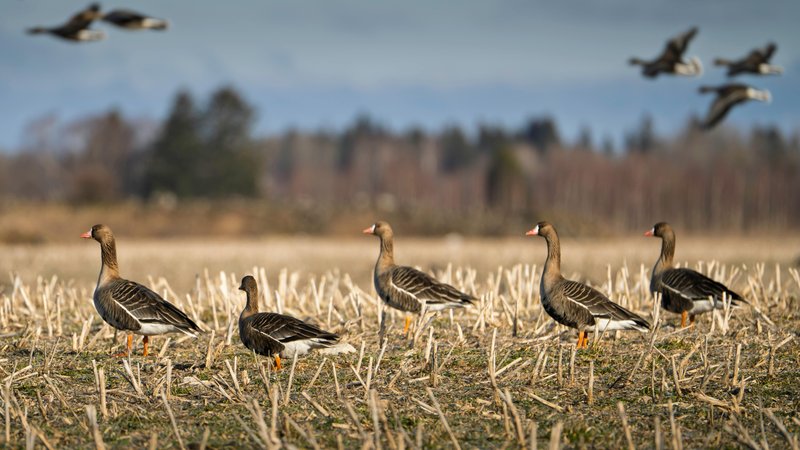
The Greater White-fronted Goose and the Brant are also notable North American species, each occupying distinct ecological niches and migration corridors.
Temperament and Personality Traits by Breed
Temperament varies dramatically across goose breeds, and it’s one of the most important factors to consider before acquiring any bird. Some breeds are calm and approachable, while others are assertive and protective.
Friendly breeds typically exhibit a calm and docile temperament, showing less aggression towards humans and other animals. These breeds are often more receptive to handling and interaction, making them easier to manage and enjoy.
The Pilgrim Goose is widely regarded as one of the gentlest domestic breeds, making it an excellent choice for families or beginners. African and Chinese Geese, while intelligent, can be more vocal and assertive.
Selecting the Right Breed for Beginners
For first-time goose keepers, temperament and manageability should rank high on the priority list. A breed that tolerates human interaction and adapts easily to confinement will make the learning curve far less steep.
Pilgrim, American Buff, and Sebastopol geese are consistently recommended as beginner-friendly breeds due to their calm nature and moderate care requirements. They also tend to integrate well with other poultry.
Space and climate are also key considerations. Beginners should research local conditions and match their breed selection to what’s practical for their specific environment and available land.

Commercial Applications and Breed Purposes
Different goose breeds have been developed and refined for distinct commercial purposes. The most common applications are meat production, egg laying, down and feather harvesting, and pest control.
The Embden Goose dominates commercial meat production due to its rapid growth rate and clean white plumage, which produces an attractive carcass. Toulouse Geese are favored in Europe, particularly for foie gras production.
Chinese Geese are frequently used in commercial settings for weed management in crops, a practice sometimes called “goose weeding.” Their active foraging behavior makes them highly effective natural weed controllers.
Egg Production Rates Across Different Breeds
Geese are not prolific egg layers compared to chickens or ducks, but production rates still vary meaningfully between breeds. Selecting a breed optimized for eggs can make a real difference for small-scale producers.
Chinese Geese are the top egg producers among domestic breeds, capable of laying between 40 and 100 eggs per year depending on management and conditions. This far exceeds the output of heavy breeds like the Toulouse, which may lay only 20 to 35 eggs annually.
African Geese also offer respectable egg production in the medium range. Goose eggs are significantly larger than chicken eggs and are prized for baking and culinary applications.
Meat Yield and Carcass Quality Comparisons
For farmers focused on meat production, carcass quality, dressing percentage, and growth rate are the primary metrics. Heavy breeds consistently outperform lighter ones in all three areas.
Embden Geese can reach market weight in as little as 16 weeks, making them among the most efficient meat producers in the goose world. Their white feathers also simplify processing, as dark pin feathers are less visible on the dressed carcass.
Toulouse Geese, particularly the Dewlap variety, produce exceptional fat marbling, which is why they are historically associated with luxury food production. However, they grow more slowly than Embdens.
Climate Suitability and Regional Adaptability
Geese are generally hardy birds, but certain breeds perform better in specific climates. Cold-hardy breeds are well-suited to northern regions, while others thrive in warmer, more humid environments.
Embden and Toulouse Geese are highly cold-tolerant and handle harsh winters well, making them popular choices in northern Europe and Canada. Their dense feathering provides excellent insulation.
Chinese and African Geese tend to do better in milder climates. In very hot regions, providing adequate shade and fresh water is essential regardless of breed to prevent heat stress.
Lifespan and Longevity Expectations by Breed
Geese are among the longest-lived domestic poultry, and their lifespan can be a significant factor in long-term flock planning. Most domestic geese live between 10 and 20 years under good care.
Some individual geese have been documented living well beyond 20 years, particularly in low-stress, well-managed environments. This longevity means your investment in a quality breeding pair can pay dividends for many years.
Wild geese generally have shorter lifespans due to predation and environmental hazards, though Canada Geese in protected urban environments have been known to live 20 or more years.
Breeding Compatibility and Hybrid Potential
Breeding compatibility among geese depends largely on their ancestral lineage. Breeds descended from the Greylag can interbreed freely, as can those descended from the Swan Goose.
Crosses between Greylag-descended and Swan Goose-descended breeds typically produce sterile offspring, similar to the mule in equine breeding. This is an important consideration for anyone planning a breeding program.
For those curious about cross-species interactions in waterfowl more broadly, the topic of duck and goose interbreeding offers fascinating insights into avian reproductive biology.
Noise Levels and Behavioral Characteristics
Noise tolerance is a real practical concern, especially for farmers with close neighbors or in semi-urban settings. Goose breeds vary considerably in how vocal and alert they are.
Chinese and African Geese are among the noisiest domestic breeds, which is why they excel as guard animals but can be challenging in noise-sensitive environments. They will loudly alert to any perceived intrusion.
Quieter breeds like the American Buff and Pilgrim are better suited to settings where noise is a concern. Even these calmer breeds will vocalize during feeding time or when startled.
Cost and Pricing Guide for Goose Breeds
The cost of acquiring geese varies based on breed rarity, age, and the reputation of the breeder. Common breeds like Embden and Toulouse are generally more affordable than heritage or rare varieties.
Goslings from common breeds typically range from $10 to $25 each, while rare heritage breeds can cost $50 or more per bird. Breeding pairs of rare breeds can command significantly higher prices depending on availability.
As with any livestock purchase, buying from a reputable breeder ensures healthier birds and more accurate breed representation. Reputable breeders invest more in their stock, which is reflected in the price but also in the quality of the animal you receive.
Conservation Status of Rare and Endangered Breeds
Several domestic goose breeds are classified as rare or endangered by conservation organizations. Breeds like the Cotton Patch, Shetland, and Steinbacher Geese have critically small global populations.
The American Livestock Breeds Conservancy monitors and advocates for the preservation of these at-risk breeds. Raising a heritage breed is both a practical farming choice and a meaningful contribution to genetic diversity.
Supporting rare breed preservation helps ensure that unique genetic traits — including disease resistance, foraging ability, and regional adaptability — are not permanently lost from the gene pool.
Historical Development and Evolution of Specific Breeds
Many domestic goose breeds have histories stretching back hundreds of years, shaped by the agricultural needs and cultural preferences of different regions. The Toulouse Goose, for example, originated in southern France and was developed primarily for the production of foie gras.
The Embden Goose was developed in Germany and became the dominant commercial meat breed globally due to its exceptional growth rate. The Pilgrim Goose, one of the few auto-sexing breeds, was developed in the United States in the early 20th century.
Understanding a breed’s historical context often explains its physical and behavioral traits. Breeds developed in harsh climates tend to be hardier, while those bred for specific production goals reflect those priorities in their genetics.
Nutritional and Dietary Requirements by Breed
All geese are primarily grazers, and high-quality pasture forms the backbone of a healthy goose diet. However, nutritional needs vary somewhat by breed size, production purpose, and life stage.
Heavy breeds require more caloric intake to support their larger body mass, while laying females of all breeds need increased calcium and protein during the breeding season. Supplemental grain and commercial waterfowl feed help fill nutritional gaps when pasture is limited.
Fresh, clean water is non-negotiable for all breeds. Geese use water not only for drinking but for cleaning their bills and eyes, so adequate water access directly impacts their health and wellbeing.
Specialized Breed Uses: Weed Control and Guard Animals
Beyond eggs and meat, certain goose breeds serve highly practical roles on working farms. Weed control and property guarding are two of the most valued specialized applications.
Chinese Geese have been used commercially in cotton and strawberry fields to control grass and weeds without damaging the crops. Their selective grazing behavior makes them surprisingly effective agricultural tools.
As guard animals, geese — particularly African and Chinese breeds — are famously vigilant. Their loud alarm calls and aggressive posturing toward intruders have made them a traditional alternative to guard dogs in many parts of the world.
Sub-species and Regional Variations in Geese
Several goose species have distinct sub-species or regional populations that differ in size, coloration, and migratory behavior. The Canada Goose alone has multiple recognized sub-species, ranging from the giant Canada Goose to the much smaller Cackling Goose.
Sub-species distinctions are particularly important for wildlife managers, conservationists, and serious birdwatchers who need to accurately track population trends and habitat use. Misidentification of sub-species can lead to flawed conservation data.
Regional variations also exist within domestic breeds, as isolated populations develop slightly different characteristics over generations. These localized variations are part of what makes goose breeds such a rich and endlessly interesting subject for farmers, naturalists, and enthusiasts alike.